

Vitamin advice usually sounds simple until you actually try to understand it.
One article praises a nutrient as essential. Another warns against taking too much. Somewhere in between, people are left wondering what truly matters for their daily health.
Vitamin A sits right in that space.
You have probably heard about it in connection with vision, skin, or immunity. Yet many people are still unsure what vitamin A actually does, why it is important, and how to use it responsibly. So let us slow things down and walk through the science and the practical reality of vitamin A benefits without hype or unnecessary complexity.
What Is Vitamin A and Why Does the Body Need It?
Vitamin A is a fat-soluble vitamin that plays multiple roles in maintaining normal body function. It is not a single compound but a group of related nutrients, including retinol, retinal, and provitamin A carotenoids.
In simple terms, vitamin A supports processes that keep your eyes, skin, immune system, and cellular functions working properly.
When discussions around vitamin A benefits appear, they are usually referring to how this nutrient contributes to everyday physiological stability rather than dramatic transformations.
Think maintenance, not magic.
Also Read: Vitamin B12 and Weight Loss: Facts, Benefits and Myths
Vitamin A Benefits for the Body
Vitamin A participates in several core biological activities. Its importance becomes clearer when you understand where it actually works.
1. Saves Vision and Eye Health.

This is the most commonly known role.
Vitamin A is needed to help in the formation of rhodopsin, a retinal pigment that enables you to see in dark areas. The lack of appropriate consumption can negatively affect night vision, and that is why the advantages of vitamin A to the eyes are frequently discussed during nutrition discussions.
Normal visual function is an aid of healthy levels and not a superhuman eyesight.
2. Contributes to Skin Health

Vitamin A plays an in-depth role in the process of skin cells turnover and repair. This is because a number of skincare formulations are based on derivatives of vitamin A.
Vitamin A has effects on skin that include the support of the process of skin renewal and the integrity of the barrier. That is why the benefits of vitamin A supplements are often related to the texture and look of the skin.
Once again, incremental assistance and not instant transformation.
3. Assists in keeping the immune system working.
Vitamin A aids the immune system and assists a body to react well to environmental stressors.
This is among the lesser but essential vitamin A body advantages. The lack may undermine the immune strength, whereas balanced intake promotes the normal functioning of defense mechanisms.
4. Aids in Cellular proliferation and control.
Vitamin A is involved in gene expression and communication between cells. These are the functions that are less apparent but biologically important.
This has been termed the primary role of vitamin A in the human body.
Vitamin A Benefits for Hair and Appearance
Vitamin A is an indirect contributor, although not the first nutrien,t that is linked to the health of the hair.
Vitamin A benefits for hair stem from its involvement in cell growth and sebum regulation. Scalp conditions are healthy with a balance of nutrient status, which includes fat soluble vitamins.
The scarcity is too diminutive to interrupt normal processes. Excess is also a source of problems.
Balancing is the common motif.
Also Read: Vitamin D2 vs D3: Which One Is Better for You?
A
A
Vitamin A Benefits for Men and Women
Nutritional needs differ slightly, and the physiology-based roles differ slightly.
Vitamin A benefits for both men and women include support for vision, skin maintenance, and immune function. There are specific periods in life when proper consumption is especially significant, pregnancy being one of them.
But what is better than this is more, which may not necessarily be good.
Vitamin A Recommended Daily Intake
Vitamin A is stored in the body since it is fat-soluble. This renders dosage awareness more significant than the water-soluble vitamins.
Normal recommendations of vitamin A per day vary with age and sex, yet there is an excess of this vitamin that must not be taken unless there is a medical need.
Regular moderate drinking is safer than the occasional high drinking.
Vitamin A Benefits from Foods

For most individuals, diet remains the most reliable source.
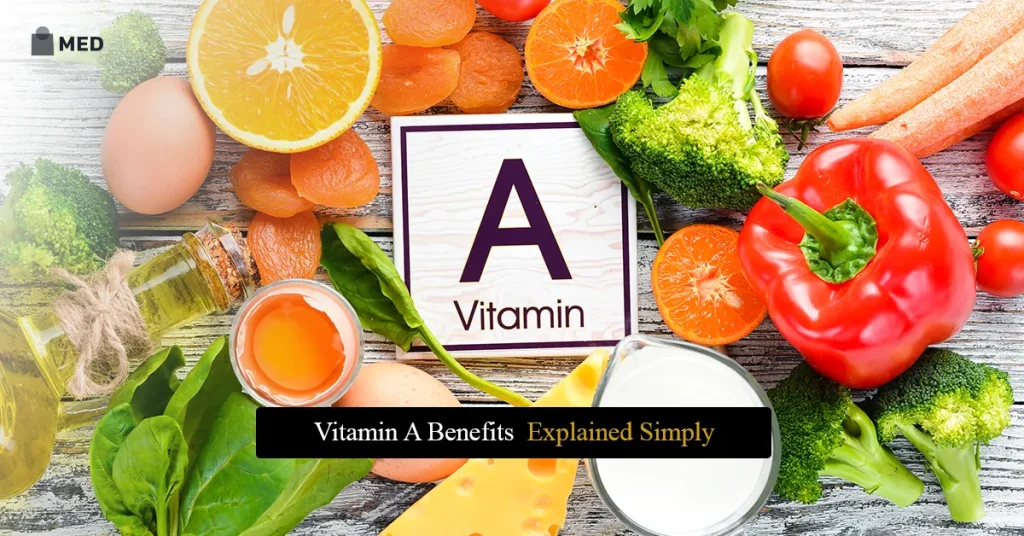
Common vitamin A benefits foods include:
- Carrots
- Sweet potatoes
- Spinach
- Kale
- Egg yolks
- Dairy products
- Liver
Plant-based sources provide carotenoids, which the body converts into active vitamin A.
Food-based intake naturally regulates excess risk better than supplements.
Vitamin A Tablets and Supplement Use
Vitamin A tablets are generally used to correct deficiencies or address specific clinical needs.
The benefits of vitamin A capsules may apply when dietary intake is insufficient. However, supplementation without necessity can increase the likelihood of side effects from vitamin A.
Responsible use always depends on context.
Side Effects from Vitamin A
Vitamin A is essential but not harmless at excessive levels.
Potential side effects of vitamin A supplements may include:
- Headaches
- Nausea
- Dizziness
- Skin irritation
- Liver stress in severe cases
Excessive vitamin A side effects are typically associated with chronic overconsumption rather than normal dietary intake.
This is why dosage discipline matters.
Vitamin A Side Effects on Skin
Interestingly, both deficiency and excess can affect the skin.
Vitamin A side effects on skin from overuse may include dryness, sensitivity, or irritation, particularly with high-dose supplements or topical derivatives.
More is not synonymous with healthier results.
Vitamin A Pros and Practical Perspective
When people search for the advantages of vitamin A or vitamin A pros, they are usually trying to evaluate whether supplementation is worthwhile.
Vitamin A benefits are undeniable for normal body function. Yet supplementation is beneficial primarily when a deficiency or increased need exists.
Routine excess offers no added advantage.
How Vitamin A Fits into the Bigger Nutrient Picture?
Micronutrients rarely work in isolation.
Fat-soluble vitamins often interact with each other. Broader nutrient awareness helps avoid narrow assumptions about single vitamins solving complex concerns.
If you are exploring lesser-discussed nutrients, our guide on Vitamin K3 Benefits: Uses, Safety & Dosage Guide highlights how different vitamin forms serve distinct biological roles.
Similarly, nutrient misconceptions are common across categories. Topics like Vitamin B12 and Weight Loss: Facts, Benefits & Myths illustrate how expectations often drift from physiology.
Understanding context is always more useful than chasing trends.
Safe and Sensible Vitamin A Habits
A few practical guidelines simplify everything:
- Prioritize food sources first
- Avoid high-dose supplements without a reason
- Respect recommended intake ranges
- Treat deficiency and excess with equal caution
Nutritional support works best when it is steady and proportionate.
Where My Exclusive Deals Fits In?
The vitamin-related products are displayed in the wellness category, supplements, and skincare. It can be easy to get confused when comparing alternatives, recipes and assertions.
By monitoring ongoing wellness and personal care deals, My Exclusive Deals (MED) can simplify the process of discovery (redirection to the official offerings of retailers) and thus make the research and comparison a bit easier.
It is concentrated on making informed choices and not on impulse-based decisions.
Final Sip
Vitamin A rarely receives the same spotlight as trend-driven ingredients.
Yet its role remains foundational.
The real value of vitamin A benefits lies in supporting systems your body quietly depends on every day: vision, skin stability, immune function, and cellular regulation.
No drama. No exaggerated promises.
Just essential biology doing its job when given the right balance.
Frequently Asked Questions
Vitamin A supports vision, immune function, skin health, and cellular growth. It plays a key role in maintaining healthy eyes and protecting tissues.
Vitamin A benefits include improved eye health, better skin maintenance, immune support, and assistance in normal cell development.
Yes. Vitamin A helps regulate skin renewal and supports a smoother texture. It is commonly used in skincare for its role in cell turnover.
Excessive vitamin A intake may lead to side effects such as headaches, dizziness, nausea, or liver stress. Balance and dosage matter.
Common vitamin A rich foods include carrots, sweet potatoes, spinach, dairy products, eggs, and certain fish.
In appropriate amounts, vitamin A supports scalp and cellular health. Overconsumption, however, may contribute to hair concerns.
Daily needs vary by age and gender. Adults typically require measured amounts, and supplementation should align with dietary intake.
Not always. Many people obtain adequate vitamin A through diet. Supplements are generally considered when deficiencies or medical needs arise.