

Vitamins rarely become conversation starters.
Until something unusual appears.
Vitamin K3 is one of those nutrients that quietly sparks curiosity. Not because it floods supplement ads, but because many people are unsure what it actually is, how it differs from other vitamin K forms, and whether it offers any real advantages.
So let’s simplify this properly.
No medical jargon overload. No exaggerated claims. Just a grounded look at vitamin K3 benefits, safety considerations, and practical usage insights.
What Exactly Is Vitamin K3?
Vitamin K3, also known as menadione, is a synthetic form of vitamin K.
Vitamin K3, which is synthetically produced and does not typically occur in the food supply like vitamins K1 and K2, is most commonly used in clinical or animal health settings and serves as a source of provitamin K (which is converted by the body into active forms of vitamin K).
This distinction matters.
Understanding the benefits of vitamin K3 starts with its purpose.
It is not typically consumed through diet. It is formulated for targeted applications.
Also Read: Health Benefits of Vitamin E for Heart, Brain and Whole Body Health
Vitamin K3 Benefits: What Does It Actually Do?
Vitamin K plays a crucial role in blood clotting and cellular regulation. Vitamin K3 shares this functional foundation.
When discussing vitamin K3 benefits, the focus is less about daily supplementation and more about biochemical support mechanisms.
Potential benefits include:
- Supports Blood Clotting Mechanisms
Vitamin K3 benefits to activate proteins that play a role in normal clotting. It is the primary biological role associated with all forms of vitamin K. - Role in Cellular Metabolism
Menadione participates in cellular processes linked to oxidative balance and enzymatic activity. - Precursor Function
Vitamin K3 can be converted into usable forms of vitamin K within the body, thereby indirectly supporting broader vitamin K functions.
Important perspective:
Vitamin K3 is valued more for its functional properties than for mainstream wellness supplementation.
Why Vitamin K3 Is Less Common in Human Supplements?
This is where many readers get confused.
If vitamin K3 benefits exist, why is it rarely seen in over-the-counter human products?
Because safety considerations limit its casual use.
High doses of menadione have been associated with toxicity risks. Modern human supplements typically favour vitamin K1 or vitamin K2 due to better tolerance profiles.
This is not a flaw.
It is simply a formulation choice driven by safety margins.
Vitamin K3 Sources: Where Does It Come From?
Unlike K1 or K2, vitamin K3 sources are not dietary.
Vitamin K3 is synthetically manufactured.
It appears in:
- Certain medical formulations
- Veterinary nutrition products
- Specialized therapeutic contexts
This is why phrases like “vitamin K3 food sources” can be misleading. Natural foods do not meaningfully supply K3.
Instead, the body derives vitamin K activity from K1 and K2.
Menadione Sources and Functional Context
Since vitamin K3 is essentially menadione, discussions of menadione sources refer to synthetic production rather than dietary sources.
Menadione is valued in controlled applications because:
- It is stable
- It is cost-effective
- It converts into active compounds
However, its use is carefully regulated.
Vitamin K3 Dosage: Why Precision Matters

Unlike general vitamins, vitamin K3 dosage is not a casual wellness decision.
Dosage considerations depend on:
- Medical necessity
- Formulation type
- Professional guidance
Self-supplementation is generally discouraged.
Vitamin K3 is potent and requires context-specific administration.
This is where responsible education becomes important when reading about vitamin K3 benefits.
Also Read: Up to 40% Off Medicines: Best Health Coupons to Use
Vitamin K3 Side Effects: What You Should Know?
Safety discussions are essential.
Potential vitamin K3 side effects may include:
- Liver stress at excessive doses
- Oxidative complications
- Cellular toxicity risks
The side effects of K3 are largely dose-dependent.
Under controlled use, risks are managed. Unsupervised intake increases problems.
This is exactly why vitamin K3 remains a niche supplement in human use.
Vitamin K3 vs Other Vitamin K Forms
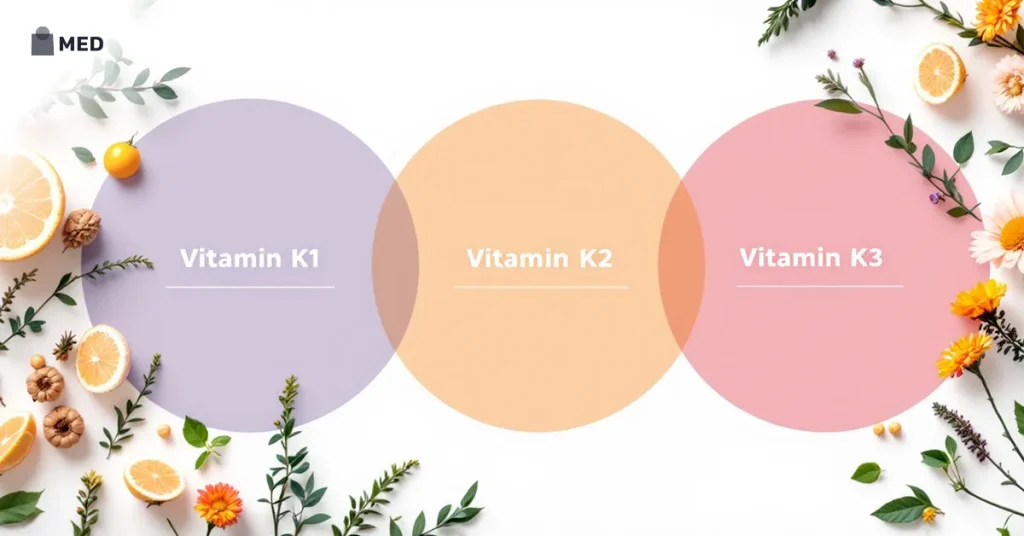
For practical health understanding:
- Vitamin K1 → Common in leafy greens, supports clotting
- Vitamin K2 → Found in fermented foods, supports bone & cardiovascular health
- Vitamin K3 → Synthetic precursor, specialized use
Each serves different roles.
Popularity does not equal superiority.
Function defines relevance.
How This Relates to Overall Nutrient Awareness?
Micronutrients often interact in complex ways.
For example, vitamin deficiencies influencing hair pigmentation or metabolism are explored in topics like:
- Vitamin B12 for Grey Hair: How Does It Work
- Vitamin K2 Side Effects: Benefits, Dosage and Safety Guide
These discussions highlight an important theme:
Nutrients work within systems, not in isolation.
Vitamin K3 fits into this broader biochemical picture rather than everyday wellness routines.
Where My Exclusive Deals Fits In?
Vitamin research frequently leads consumers into confusing product comparisons.
Vitamin K appears across creams, supplements, and skincare formulations. Understanding what matters versus what is marketing noise becomes difficult quickly.
My Exclusive Deals (MED) helps simplify discovery by tracking active skincare and wellness offers and redirecting users to official retailer or brand pages.
The goal is clarity, not impulse buying.
Final Sip
Vitamin K3 is not a trendy supplement headline.
And that is perfectly fine.
It is a value of certain functional situations and not mass consumption.
Third, it is not all about adding on a new pill every day when you are learning the benefits of vitamin K3; it is all about understanding the areas where vitamin K3 fits in the health science.
Informed restraint is also wiser in some cases than enthusiastic adoption.
FAQ’s
1. What is Vitamin K3?
Vitamin K3, or menadione, is a synthetic form of vitamin K. Unlike Vitamins K1 and K2, it is not naturally found in foods and is mainly used in specialized formulations.
2. What are the benefits of Vitamin K3?
Vitamin K3 supports blood clotting functions and participates in cellular processes. Its benefits are primarily discussed in biochemical or clinical contexts rather than daily supplementation.
3. Is Vitamin K3 safe for regular use?
Vitamin K3 is not typically recommended for routine human supplementation. Safety concerns at higher doses mean most consumer products use Vitamin K1 or K2 instead.
4. Does Vitamin K3 occur in foods?
No. Vitamin K3 is synthetically produced and does not naturally occur in the food supply. Dietary vitamin K usually comes from Vitamin K1 and Vitamin K2.
5. Can Vitamin K3 cause side effects?
Potential side effects of Vitamin K3 are dose-dependent and may occur with excessive intake. This is why its use is generally limited to controlled applications.
6. Why is Vitamin K3 used in veterinary products?
Vitamin K3 is stable and cost-effective in regulated formulations. It can convert into active vitamin K compounds, making it useful in specific clinical or animal nutrition contexts.