

Vitamin supplements usually enter our lives quietly.
Someone recommends them. A label claims benefits. A doctor mentions a deficiency.
Vitamin K2 often follows this exact path.
But unlike trend-driven ingredients, K2 typically appears when people start asking practical questions. Is it safe? How much should I take? Are there risks?
That is why searches for vitamin K2 side effects have grown rapidly. People are no longer just curious about benefits. They want clarity.
So let us break this down in the simplest, most useful way possible.
No alarmism.
No exaggerated promises.
Just grounded understanding.
What Is Vitamin K2 and Why Do People Take It?
Vitamin K2 is a fat-soluble vitamin best known for its role in calcium regulation.
In plain terms, it helps your body decide where calcium should go.
- Toward bones and teeth, where it is usefu
- Away from arteries and soft tissues, where excess calcium is harmful
This is why K2 is often discussed alongside bone health and cardiovascular support.
Yet before benefits, safety always comes first.
Also Read:
Vitamin K2 Side Effects: Should You Be Worried?

For most healthy individuals, vitamin K2 is generally well tolerated.
But like any active compound, problems arise when:
- Dosage is excessive
- Supplementation is unnecessary
- Medical conditions are ignored
Understanding vitamin K2 side effects is less about fear and more about responsible use.
Reported side effects are uncommon, but may include:
- Mild digestive discomfort
- Nausea in sensitive individuals
- Headaches in rare cases
- Interaction-related complications
Notice something important here.
Most issues are not caused by K2 itself, but by how it is used.
Also Read: Delicious and Healthy Meal Prep Ideas for a Stress-free Week
Who Should Pay Extra Attention to Vitamin K2?
Certain individuals should approach supplementation carefully.
Especially those who:
- Take blood-thinning medications
- Have clotting-related conditions
- Use high-dose vitamin regimens
- Self-prescribe long-term supplements
Vitamin K interacts with blood coagulation pathways, which is why professional guidance matters.
This is one of the main reasons discussions about vitamin K2 side effects exist online.
Not because K2 is dangerous.
But because context matters.
Vitamin D3 and K2: Benefits and Cautions
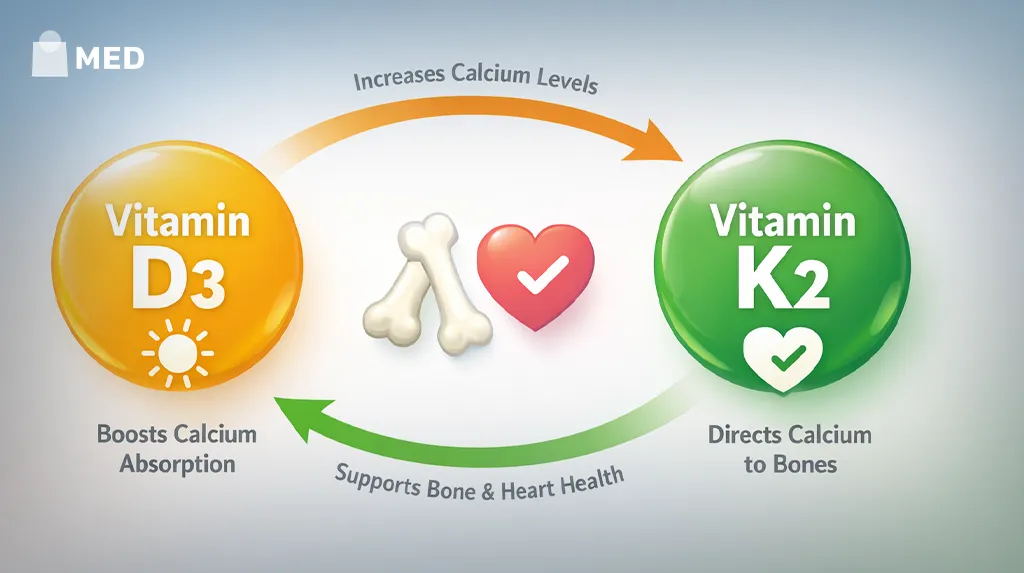
Vitamin K2 is frequently paired with vitamin D3.
Why?
Vitamin D improves calcium absorption.
Vitamin K2 helps direct calcium correctly.
Together, they support:
- Bone mineralization
- Calcium balance
- Cardiovascular protection
However, combining supplements blindly is never ideal.
Potential concerns linked to side effects of vitamin k2 with d3 usually involve imbalanced dosing, not the pairing itself.
Balanced intake is the key principle.
Commonly Discussed Vitamin K2 Side Effects
Let us address some concerns people frequently search for.
1. Digestive Issues
Some users report stomach discomfort when starting supplements.
Usually temporary and dosage-related.
2. Headaches or Nausea
Rare, but occasionally mentioned with excessive intake.
3. Blood Thinner Interactions
The most medically relevant concern.
Individuals using anticoagulants must consult healthcare professionals before using vitamin K2.
This is the single most important safety rule.
Function of Vitamin K2 in the Body
Vitamin K2 plays a regulatory role rather than a stimulatory one.
It activates proteins responsible for:
- Calcium transport
- Bone density suppor
- Arterial protection
Which means K2 supports existing biological systems.
It does not artificially force changes.
Health Benefits of Vitamin K2
Despite safety concerns dominating search behaviour, K2 is valued for legitimate reasons.
Research-backed benefits include:
- Supporting bone strength
- Assisting calcium metabolism
- Helping maintain arterial flexibility
- Complementing vitamin D activity
Again, benefits only matter when intake is appropriate.
More is not better.
Correct is better.
Vitamin K2 Dosage: How Much Is Reasonable?

Dosage depends on diet, health status, and formulation.
General supplemental ranges often fall between:
- Low daily maintenance dose
- Moderate therapeutic doses under supervision
Excessive dosing is one of the few realistic triggers for vitamin k2 side effects.
Which is why moderation is the governing rule.
Sources of Vitamin K2

Not everyone needs supplements.
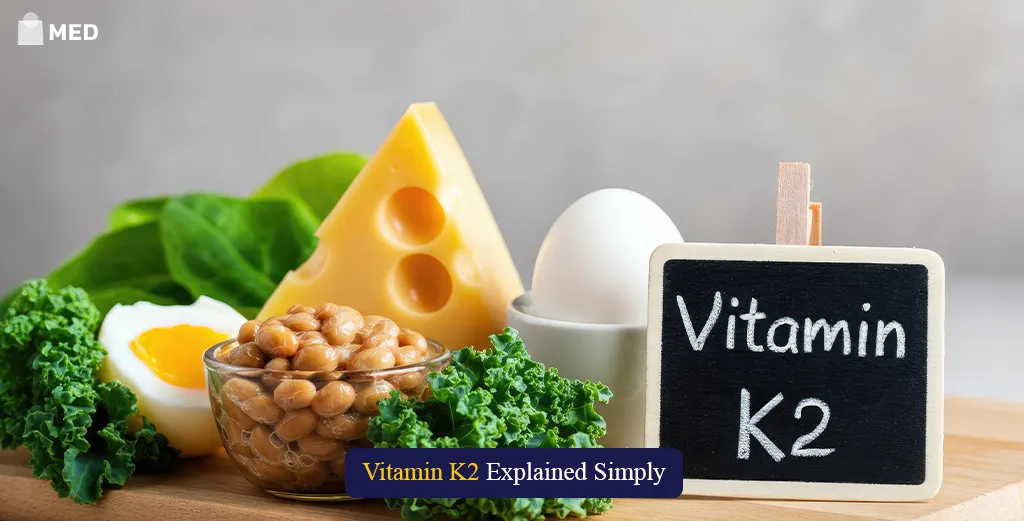
Vitamin K2 naturally appears in foods such as:
- Fermented product
- Certain dairy source
- Animal-based foods
Diet diversity often reduces the need for high-dose supplementation.
Vitamin K2 and Blood Pressure Concerns
Some searches reference vitamin K2 side effects and blood pressure.
Current evidence does not strongly link K2 to adverse effects on blood pressure in healthy individuals.
Most concerns again stem from:
- Over-supplementation
- Mixed supplement stacks
- Pre-existing conditions
How to Use Vitamin K2 Safely?
Simple rules prevent most problems.
- Avoid megadosing
- Do not mix supplements randomly
- Respect medication interactions
- Prioritize medical advice for long-term use
Supplements work best when they solve a real need.
How This Connects With Other Nutrients?
Vitamin K2 rarely operates alone in health discussions.
If you are researching nutrient effects, you might want to know how nutrient deficiencies affect the body. For example, Vitamin B12 and Weight Loss: Facts, Benefits and Myths clarifies another popular issue in supplements.
Likewise, Vitamin B12 of Grey Hair: How Does It Work? focuses on the importance of how vitamins enhance the functioning of biological systems rather than being miracle-working products.
Patterns repeat across nutrients.
Balance always wins.
Where My Exclusive Deals Fits In?
Vitamin K2 supplements, skincare products, and wellness items are everywhere.
Comparing brands, formulations, and offers can quickly become overwhelming.
My Exclusive Deals (MED) helps simplify discovery by tracking active promotions and redirecting users to official brand or retailer pages, making decision-making easier and more transparent.
Final Sip
Vitamin K2 is neither a magic pill nor a hidden risk. Most conversations around vitamin K2 side effects exist because modern supplement culture often skips one essential step: understanding. Used correctly, K2 supports important physiological functions. Used casually, it creates confusion. Clarity is always the better strategy.
FAQs
- What is Vitamin K2 used for?
Vitamin K2 is used to maintain calcium in the body. It strengthens bones and inhibits calcium deposition in arteries and soft tissues.
- What are the advantages of Vitamin K2
Vitamin K2 helps in bone development, enhances calcium metabolism and helps in cardiovascular wellbeing by helping to store calcium in the appropriate locations.
- Is Vitamin K2 associated with any side effects?
As a rule, vitamin K2 is safe at appropriate doses. Excess doses or interactions with medications such as blood thinners typically cause problems.
- Why is there a difference between Vitamin K1 and K2?
Vitamin K1 is explicitly involved in blood clotting, whereas Vitamin K2 is concentrated in calcium, bone metabolism, and the heart.
- Is Vitamin D3 to be used together with Vitamin K2?
Vitamin D3 assists in the absorption of calcium, and Vitamin K2 facilitates the transportation of calcium to bones. They both help in the enhancement of bone and vascular well-being.