
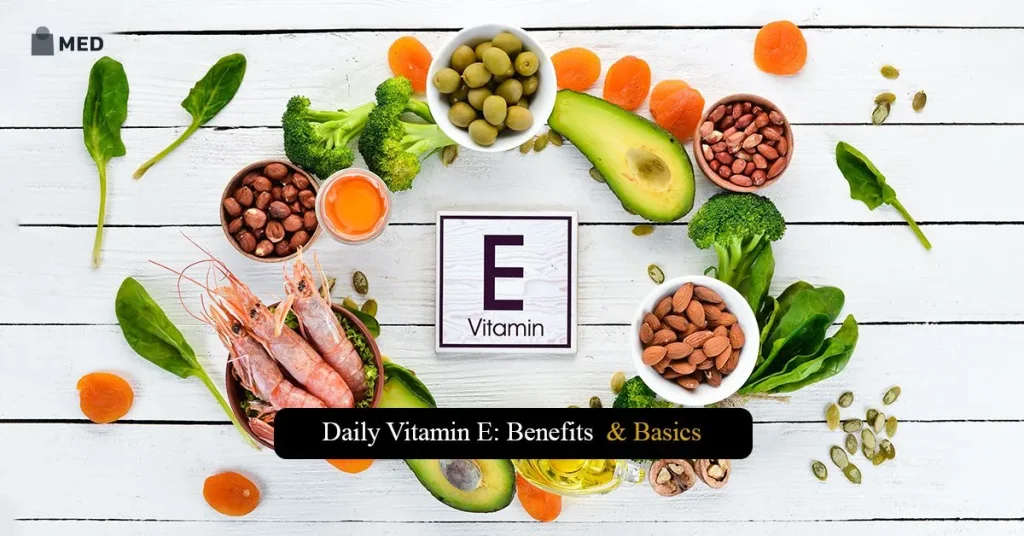

Some nutrients make noise. Others quietly do their job.
Vitamin E belongs firmly in the second category.
It rarely gets the spotlight that vitamin C or collagen enjoys, yet it sits at the center of several important processes inside the body. From protecting cells to supporting vital organs, its role is far more foundational than most people realize.
Still, confusion is everywhere.
Should you take supplements?
Is it only for skin?
Does it help internally?
How much is too much?
Let’s slow things down and understand the health benefits of vitamin E, how daily intake works, and where people often misunderstand this nutrient.
No exaggerated claims.
No complicated science.
Just clarity.
What Exactly Does Vitamin E Do in the Body?
Vitamin E is primarily known as an antioxidant.
In simple terms, antioxidants help protect cells from oxidative stress, a form of damage triggered by everyday factors such as pollution, stress, metabolism, and environmental exposure. Over time, oxidative stress affects how well tissues and organs function.
Vitamin E’s core role is protection and stabilization.
It helps maintain:
- Cell membrane integrity
- Immune response balance
- Tissue repair processes
- Nervous system stability
This protective function is why discussions about the health benefits of vitamin E extend beyond skincare.
Vitamin E and Heart Health
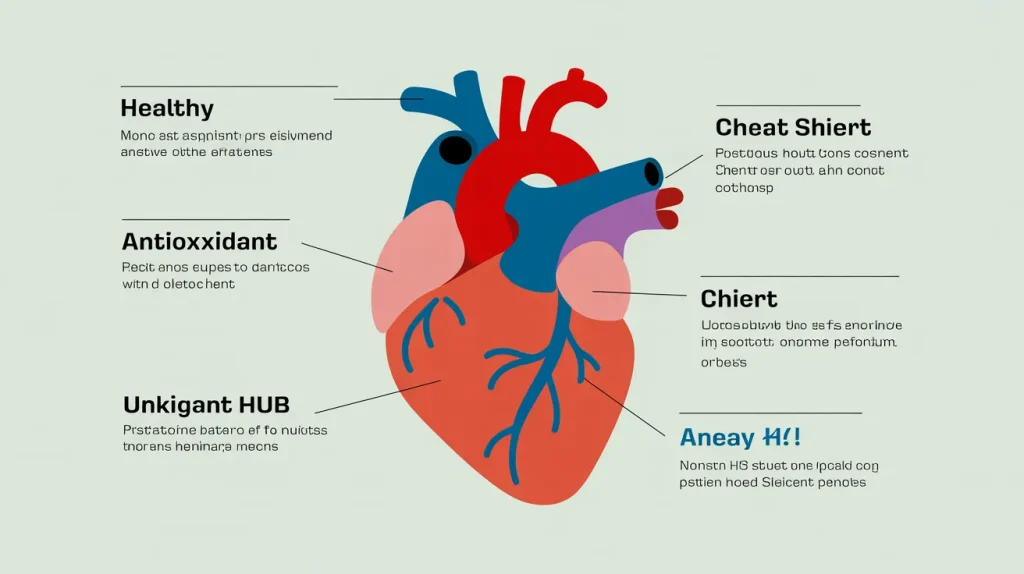
One of the most researched areas involving vitamin E is cardiovascular function.
Vitamin E helps reduce oxidative damage linked to blood vessels and circulating lipids. While it is not a replacement for lifestyle or medical care, its antioxidant properties support overall vascular stability.
This is why phrases such as “vitamin E” and “heart health” appear so frequently in health discussions.
It may contribute to:
- Protection against cellular stress in arteries
- Support for healthy circulation
- Reduction of oxidative imbalance
Important distinction: Vitamin E supports heart health. It does not act as a treatment.
Also Read: Best Offers on Health Supplements in 2025: Save on Your Favourite Brands
Vitamin E and Brain Health
The brain is highly sensitive to oxidative stress due to its metabolic demands.
Vitamin E supports nerve cells by helping protect them from damage associated with long-term oxidative stress. This protective effect is why vitamin E and brain health often appear together in research and wellness conversations.
Its role here is largely preventive and supportive.
Think cellular defense, not cognitive enhancement shortcuts.
Vitamin E for Bone Health
Bone health discussions typically focus on calcium and vitamin D, but antioxidants also play a part.
Vitamin E indirectly supports cellular stability in bone tissue. While it is not the primary driver of bone strength, vitamin E’s protective properties make it a relevant consideration for bone health.
Balanced nutrition always works as a system.
No nutrient works alone.
Vitamin E and Gut Health
The digestive system constantly interacts with dietary compounds, microbes, and metabolic processes. Antioxidant support here helps maintain tissue balance.
Vitamin E’s role in this space remains emerging, but discussions of vitamin E and gut health typically focus on its protective and anti-inflammatory properties at the cellular level.
Again, support rather than cure.
Health Benefits of Vitamin E for Men and Women
Vitamin E does not belong exclusively to one demographic, but physiological differences influence its relevance.
For men
The health benefits of vitamin E for men are often associated with:
- Cellular protection
- Reproductive tissue health
- Immune system support
For women
The health benefits of vitamin E for women are commonly associated with:
- Hormonal balance support
- Skin and tissue repair
- Antioxidant protection
Despite different marketing narratives, its fundamental function remains the same: protecting cells from stress.
Should You Take Vitamin E Supplements?
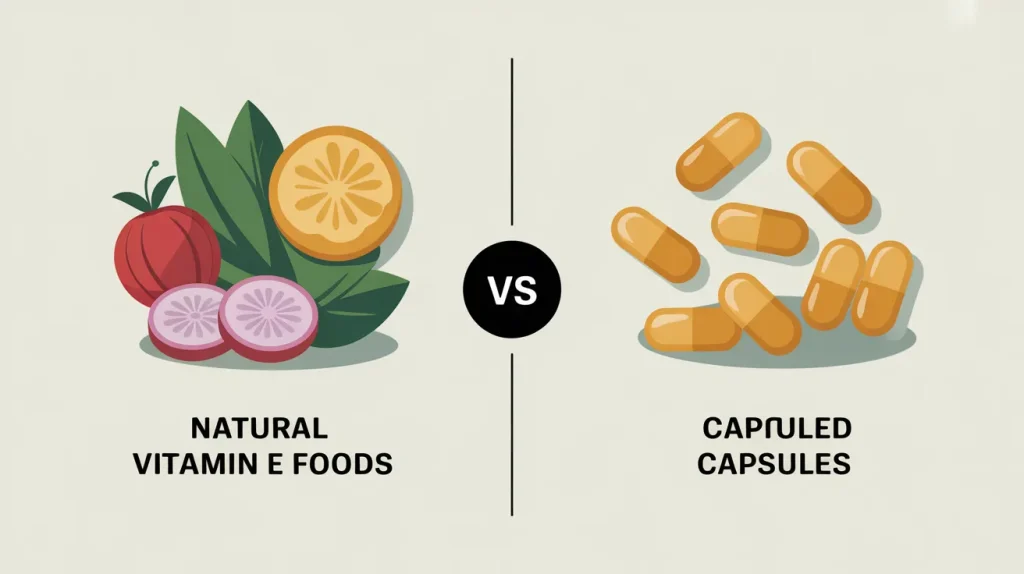
Supplements are context-dependent.
Many individuals obtain sufficient vitamin E through diet alone. Supplementation typically becomes relevant when intake is inadequate or specific needs are identified.
Natural dietary sources include:
- Nuts and seeds
- Vegetable oils
- Spinach and leafy greens
- Avocados
Before using capsules or tablets, balance and necessity matter more than enthusiasm.
More is not automatically better.
Daily Intake Recommendations
Vitamin E requirements vary by age, diet, and health status, but moderation is key.
General principles:
- Meet needs primarily through food, where possible
- Use supplements only when appropriate
- Avoid excessive long-term dosing
Fat-soluble vitamins accumulate in the body, which makes responsible intake important.
Where Problems Usually Occur?
Misuse is more common than deficiency.
Excessive supplementation may lead to:
- Digestive discomfort
- Headaches
- Nutrient imbalance interactions
Vitamin E works best as steady support, not aggressive dosing.
Vitamin E Beyond Internal Health
While this discussion focuses on internal wellness, vitamin E’s topical relevance remains widely recognized.
If you are exploring its skincare and cosmetic applications, our guides on Vitamin E for Skin: Benefits, Side Effects and Precautions, How to Use, and Vitamin E for Hair: Benefits, How to Use, Side Effects & Precautions provide deeper clarity on external usage.
Together, these perspectives provide a comprehensive understanding of this nutrient.
Where My Exclusive Deals Fits In?
Vitamin E appears across supplements, skincare, and wellness products, making comparisons confusing for many buyers.
My Exclusive Deals (MED) helps simplify discovery by tracking active skincare and wellness offers and redirecting users to official brand or retailer pages. This allows shoppers to focus on informed decisions rather than endless searching.
Final Sip
Vitamin E rarely promises dramatic transformations.
Its value lies in protection, stability, and long-term support.
From heart and brain health to broader cellular defense, its role is subtle but meaningful. Used responsibly, it quietly supports the body, exactly as most essential nutrients are meant to work.
Consistency over intensity.
Support over hype.